
There’s a step in our process that most people never see.
Before we install the wire track on a Circular Machine or an Interlock Machine, we let the machine run continuously for 24 hours—with enough oil, no load, just time.
From the outside, it might look unnecessary. The machine is already assembled, everything checks out, and technically it’s ready for the next step. But we’ve learned not to rush this part.
When a machine first starts running, small things begin to show. Not obvious problems—just tiny changes. A slight resistance in one area. A sound that doesn’t repeat exactly the same way. Oil distribution that looks fine at the beginning, but shifts slightly after a few hours.
If you skip this step, you might never notice them.
So we don’t skip it.
We let the machine run for a full day. Sometimes someone will stop and just listen for a while. No tools, just experience. After a few hours, the movement becomes smoother. After longer running, everything starts to settle into its natural rhythm.
Only after that do we move on to installing the wire track.
This step is not just about preparation—it’s about what happens later. Once the machine reaches the customer’s factory, we want it to run smoothly from day one. A machine that has already settled during this running-in period is far less likely to cause unexpected issues during real production.
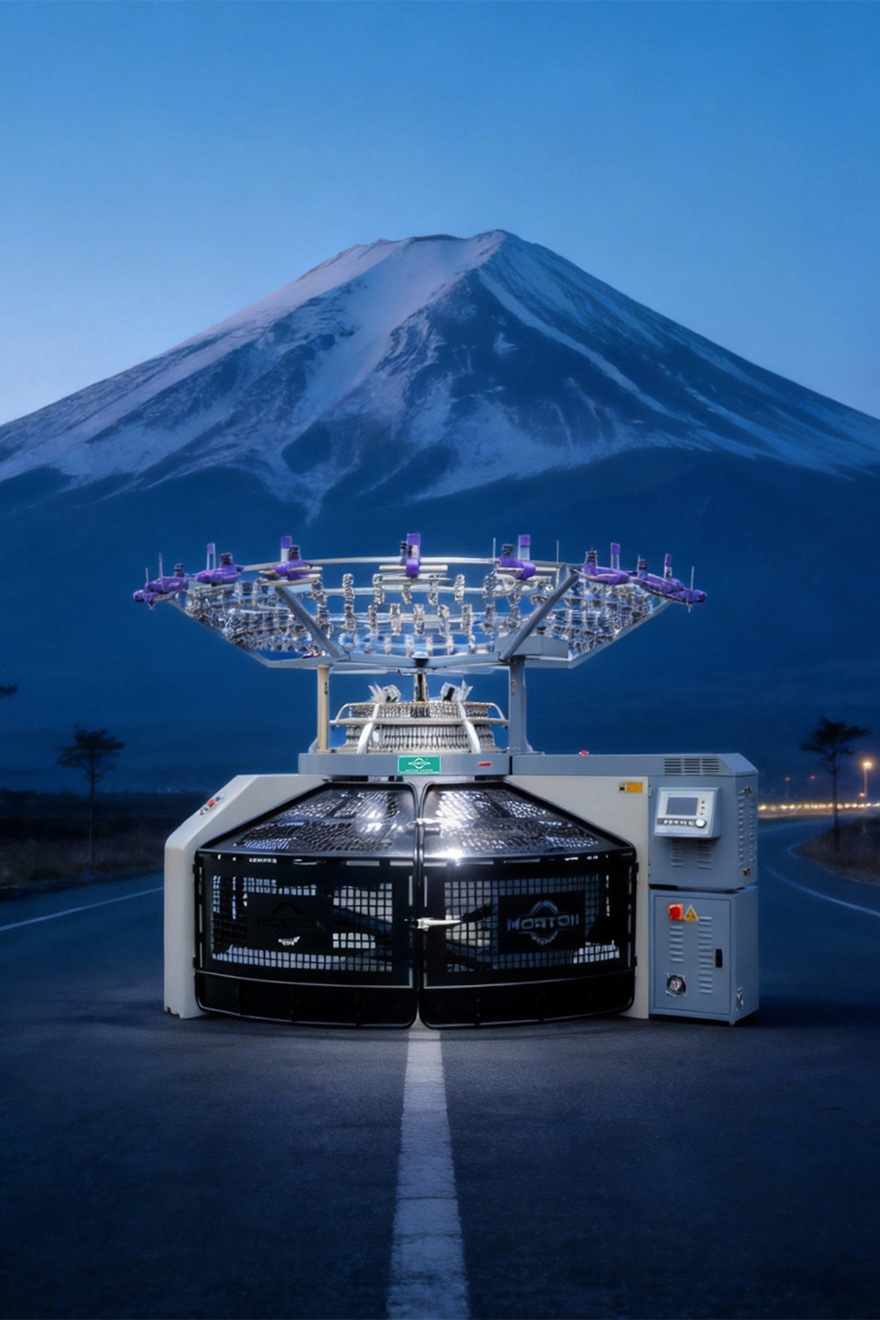
We do this for every machine. Every Circular Machine, every Interlock Machine.
It takes time, and it slows the process down slightly. But it helps the machine perform more reliably in real factory conditions, where stability matters far more than speed on paper.
That’s why we take the extra day.
It’s not something you’ll see in a specification list, but it’s part of how we make sure the machine works the way it should—quietly, consistently, and for a long time after it leaves our workshop.
Morton — Advanced Knitting Solutions
Post time: Apr-02-2026